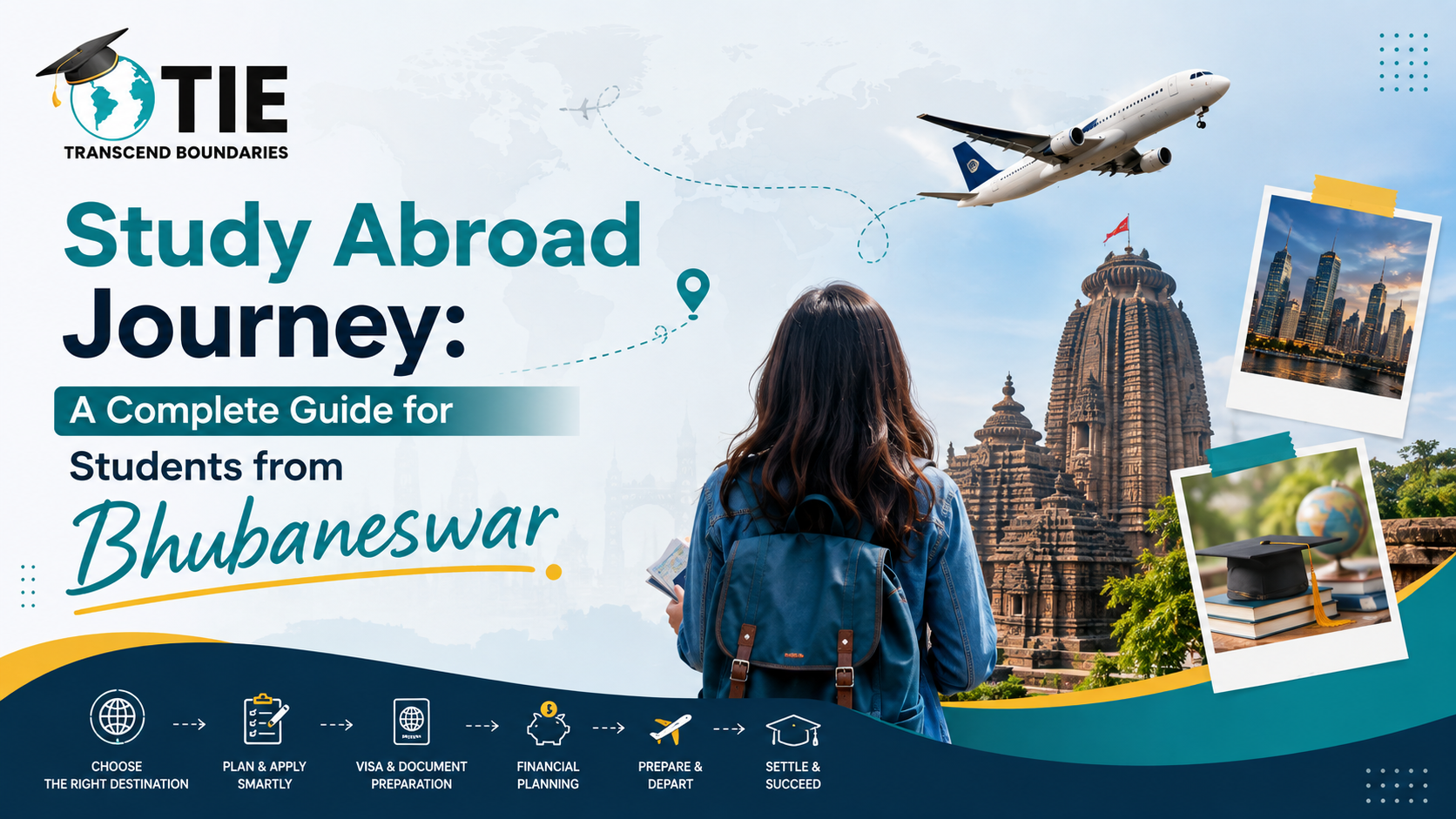
Study Abroad Application Process Made Simple for First-Time Applicants
Taksheela Team
Taksheela Institute of Education
Getting started is often the hardest part. Countries to compare, courses to research, universities to shortlist, eligibility to check, documents to gather- for a first-time applicant, figuring out what should happen first is genuinely confusing.
The study abroad application process becomes easier when it's broken into smaller steps. Requirements differ from country to country and university to university, but the overall journey tends to be similar in nature. Here is what students need to know before they start and what happens at each stage.
Where Should You Start Your Study Abroad Application?
Not by randomly applying to universities.
Start with your own profile and think about what you actually want from the program. Academic background, career plans, preferred country, budget, intended intake - all of these affect the choices ahead.
A useful starting point:
Preferred field of study
Level of education being pursued
Countries under consideration
Current academic qualifications
Available budget
Preferred intake
Entrance or language tests that may be required
The Ministry of External Affairs advises Indian students to research their destination and institution carefully before travelling abroad. Its Students Abroad guidance is worth reading early in the planning process.
How Do You Choose the Right University and Course?
Finding a university that offers the preferred course is easy. Finding one that actually fits the profile takes more work.
Before applying, check:
Course curriculum and duration
Entry requirements
University recognition and accreditation
Location and student environment
Career opportunities after the program
Tuition and other mandatory costs
Available scholarships
Application deadlines
Don't choose a university because it shows up frequently in search results or someone else went there.
If options feel unclear, study abroad consultants in Noida can help compare universities based on academic profile and plans- rather than just handing over a list of institutions and calling it guidance.
What Documents Do You Need for a University Application?
Once universities are shortlisted, document preparation becomes one of the most critical parts of the process.
Requirements may differ, but normally students have to provide:
Academic transcripts and certificates
Valid passport
Statement of Purpose/personal statement
Letters of recommendation
English test scores (where applicable)
CV/resume (for some programs)
Portfolio (for some courses)
It is recommended not to wait till the last minute when submitting the documents, since getting your English test score and recommendation letters may take more time than you expected.
Moreover, remember to check if translation and certification of the documents are required.
What Happens During the University Admission Process?
Once you have selected the right universities and looked at the criteria, the real application process begins.
Generally, it implies that one has to complete the university application form, provide the required documentation, pay an application fee (if any), and wait for the institution to review the profile.
If the application is accepted, a conditional or unconditional offer may follow.
A conditional offer is where there are still things you need to do before the place is confirmed – certain grades, an outstanding document, a language requirement. Read the offer carefully before you accept it. An offer of admission does not mean you have satisfied all admission requirements.
What To do After You Receive an Offer Letter?
An offer letter is exciting. It's also not the final step.
Check exactly what the university is asking for next. This may include:
Accepting the offer within a specific deadline
Paying a tuition deposit
Submitting additional documents
Meeting any conditions attached to the offer
Completing enrolment formalities
Arranging accommodation
It is also a good time to look at the whole study budget, not just tuition. Mandatory fees such as accommodation, insurance, travel, living costs, etc can make the actual figures a lot different than what was originally calculated.
How Do Admission and Visa Fit Together?
Connected, but not the same process, and should not be confused with one another.
Admission requirements generally need to be completed before moving toward the visa stage. Admission confirmation or other university-issued documentation is often required for the visa application.
Keep the two processes separate in planning.
The university decides whether admission requirements are met. The relevant immigration authority decides whether student visa requirements are met. Completing one doesn't guarantee the other.
Students needing help in understanding this transition can explore overseas educationcounselling in India, especially when applying to destinations with different admission and immigration timelines.
What Mistakes Should First-Time Applicants Avoid?
Most application problems don't happen because of weak academic profiles. They happen because important details get missed.
Be aware of:
Applying without verifying your eligibility first
Missing the deadline of the university
Submitting incomplete documents
Using the old list of requirements available on the Internet
Selecting a course without reading the syllabus
Applying to just one university
Missing the scholarship deadline
Copying an SOP without drafting a genuine one
Procrastinating in document collection
Maintaining a simple log of universities you are applying to, deadlines of the universities, documents required, and your application status will make your task much easier.
How Taksheela Institute Of Education Helps With the Application Process
Handling everything alone can get overwhelming- particularly for first-time applicants dealing with multiple destinations and requirements simultaneously.
Taksheela Institute of Education provides profile evaluation, course and university shortlisting, application guidance, document preparation and admission support as per the destination selected.
The aim isn't to submit more applications. It's to help students understand their options and apply to universities that actually fit their academic background and plans. Guidance on the transition from admission to visa preparation is also available once an offer comes through.
Make Your Application Easier to Manage
Looked at all at once, the study abroad application process can feel overwhelming. Broken down, it's manageable.
Start with the profile. Choose the right course and country. Research appropriate universities. Prepare documents. Keep track of all deadlines. If an offer is received, read the terms carefully and then move on to the visa stage.
Whether applying independently or with help from experts, staying involved in the application matters. Good guidance makes the process easier, but the decision about where and what to study should always remain the student's.
For students considering higher education abroad, informed planning prevents most of the problems that come up later.
Frequently Asked Questions
Depends on the country, university, course and intake. If you start some months ahead, it allows more time to deal with documents and deadlines properly.
Yes, you can apply to a number of suitable universities to increase your options. This is as long as you meet the requirements of each institution.
This will depend on the university, the course and what you have studied before. Don’t assume; make sure you check the language requirements before you apply.
Yes, where scholarships are available. Some have separate applications and earlier deadlines- check requirements carefully rather than assuming they follow the same timeline.
Review the conditions, accept if proceeding, complete the required formalities, and prepare for the next stage- including relevant visa requirements.
Free MBBS Counselling
Find the Right Country for Your MBBS in 2026
Our MBBS specialists analyse your NEET score, budget and career goals to recommend the right university — at zero cost to you.
Related Articles
Planning your study abroad journey?
Get free expert counselling from Taksheela — trusted by thousands of Indian students for admissions, visas, and test prep.
You May Also Like
More Study Abroad & Education Guides


Countries With the Best Post-Study Work Opportunities for Indian Students
26 Sept 2026 · 15 min